Our Services
Letterpress Printing
Letterpress is the heart of what we do and what sets us apart. It creates a tactile, richly textured result that stands out from modern printing methods, whether through a deep impression or a more subtle deboss depending on the paper used.
We print one colour at a time using hand-mixed inks matched to the Pantone colour guide. Each colour or process requires its own custom stamp (also known as a plate or die), adding to both the craftsmanship and cost-but also the character.
We also offer debossing a version of letterpress without ink, where your design is pressed into the paper to create a clean, textural impression. Whether printed or blind, letterpress always leaves a lasting impression, visually and physically, on every piece we produce.
Letterpress Printing F.A.Q
1.
Why is letterpress more expensive than digital printing?
Letterpress is a hands-on, artisanal process. Each colour is printed one at a time using a custom made plate, with ink mixed by hand and precise alignment for every run. There’s also setup and testing involved, which creates paper waste and adds to overall production time. It takes more time and craftsmanship, but the result is unmatched in texture and impact.
2.
What kind of designs work best with letterpress?
Letterpress shines with clean, bold designs like minimal text, line art, and solid shapes. Fine lines and type look beautiful when pressed into soft paper. Large solid areas can be tricky to print cleanly and may result in uneven inking, so we typically recommend avoiding them for best results.
3.
What paper works best for letterpress printing?
Letterpress works best on soft, thicker papers that can take an impression well like cotton, textured stocks, or other specialty papers. These materials help highlight the depth and tactile quality that make letterpress so distinct.
Foil Stamping
When you want something to shine, literally.
Foil stamping uses heat and pressure to apply metallic, satin, or coloured finishes to paper, creating a reflective effect
that adds elegance, contrast, and a dramatic touch.
We offer a wide range of foil options, from the timeless shine of gold and silver to the bold look of black, red, and holographic finishes.
Foil is perfect for names, logos, borders, or any element you want to highlight. It pairs beautifully with letterpress and embossing for an even more luxurious result.
Foil Stamping F.A.Q
1.
Can I choose any colour of foil?
Yes! We carry a wide selection of foils in metallic, satin, and solid colours. Whether you’re after something classic or vibrant, we’ll help you choose a foil that complements your design and paper beautifully.
2.
When is foil stamping the best choice?
Foil stamping is ideal when you want to highlight key elements like logos, names, borders, or decorative accents with a touch of shine or contrast. It’s especially effective on invitations, business cards, and packaging where first impressions matter and detail makes the difference.
3.
Does foil stamping require a separate plate?
Yes. Like letterpress and embossing, foil stamping requires its own custom metal plate. This plate is used to apply heat and pressure, bonding the foil to the surface of the paper with precision.
Embossing
Raise your design.
Embossing raises your design from the surface of the paper, creating a three-dimensional effect you can both see and feel.
It’s a subtle yet powerful way to add sophistication to logos, monograms, borders, and decorative elements.
We offer both standard embossing, which creates clean, raised outlines, and sculptured embossing, a more detailed technique that adds depth, contour, and texture for a truly elevated finish.
Embossing can be done as a blind emboss, with no ink or foil for a soft, understated look, or as a register emboss, perfectly aligned with foil stamping or letterpress to create added contrast and impact.
Embossing F.A.Q
1.
What's the difference between standard and sculptured embossing?
Standard embossing creates a raised design using a single level die. Clean, sharp, and consistent. Sculptured embossing goes further, using a multi-level die to add depth, shape, and texture for a more dimensional, hand-carved effect.
2.
Can embossing be combined with foil or letterpress?
Yes! That’s called register embossing-where the raised impression lines up perfectly with foil stamping or letterpress printing. It adds definition and impact, especially on logos and decorative accents.
3.
Do I need a special die for embossing?
Yes. Embossing requires a custom two-part die. One for the front (male) and one for the back (female) of the sheet. This ensures proper pressure and alignment to raise the paper cleanly and consistently.
Die-cutting
Shape your ideas into something unforgettable.
Die cutting uses a custom steel rule die to cut precise shapes, curves, and contours into your printed piece. From rounded corners to custom tags and folders, this process adds creativity and polish to your final product.
It’s ideal for projects that go beyond the rectangle, transforming print into something tactile, playful, and one-of-a-kind.
Die-Cutting F.A.Q
1.
Can I create any shape I want with die cutting?
Almost! Die cutting allows for a wide range of custom shapes, but highly intricate or ultra fine details may not be suitable for the steel rule dies we use. We’ll always guide you on what’s feasible without compromising the final result.
2.
Is there an extra cost for custom dies?
Yes, custom die creation is a one-time setup cost and depends on the size and complexity of the shape. Once created, your die can be reused for future orders, saving time and cost on repeat projects.
3.
What types of paper work best for die cutting?
Thicker stocks like cotton, cover-weight, and duplex papers hold their shape best and provide clean edges. We’ll help you choose a paper that suits both your design and the die cutting process
Duplexing
Twice the weight. Twice the impact.
Duplexing is the process of bonding two (or more) sheets of paper together to create a thicker, more substantial final piece. It’s perfect for projects that need added weight, rigidity, or a premium feel, like business cards, invitations, and cover sheets.
We can duplex the same stock for a seamless look, or mix different colours and textures for striking contrast. Duplexing also allows us to hide the reverse side of deep letterpress or foil impressions, keeping the back smooth and clean.
Duplexing F.A.Q
1.
Why would I choose duplexing?
Duplexing adds thickness, weight, and durability to your piece, perfect for when you want your print to feel extra substantial in hand. It also allows for creative combinations of colour, texture, or even hiding heavy impressions on the back.
2.
Does duplexing add much to the cost?
It can, since you’re using two sheets instead of one and the process includes gluing, trimming, and drying time. But the added weight and custom feel often make it worth the investment for high impact pieces.
3.
How is duplexing different from using thick paper?
Not quite. While both increase thickness, duplexing lets us build up layers to reach the exact weight or look you’re after. Some paper stocks don’t come in thicker options, so duplexing is the best way to get that extra strength without compromising on style or colour.
Design & File Prep
Great printing starts with great files.
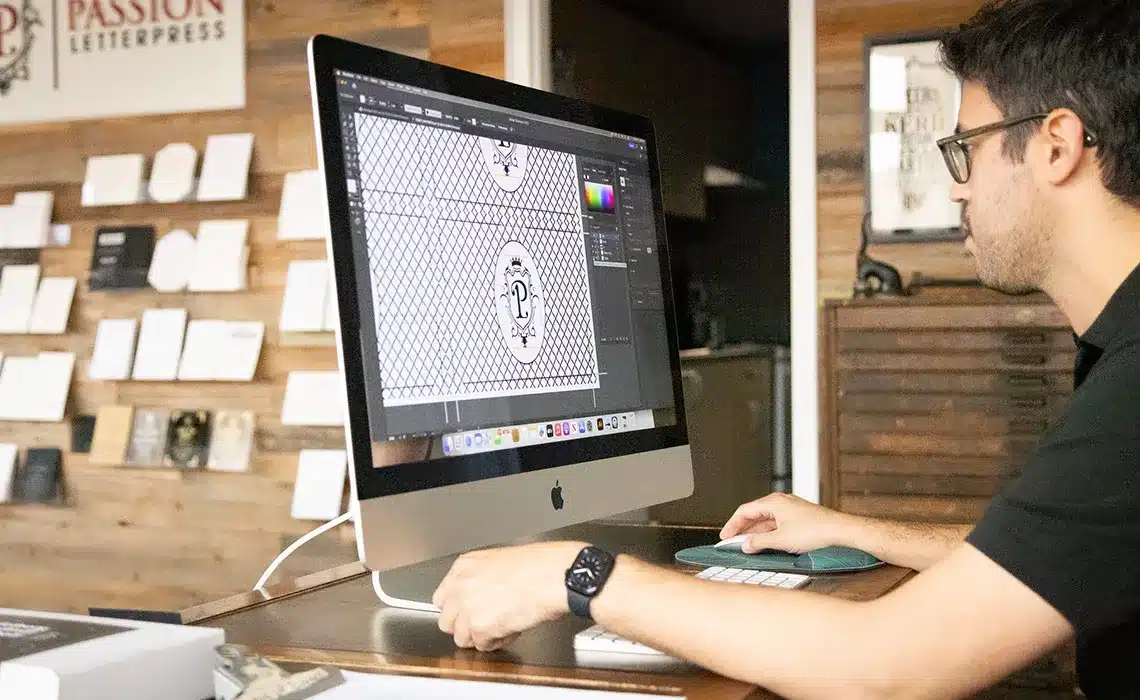
Whether you’re supplying press-ready art or need help getting there, we’re here to make sure your design is set up for success. From bleed and crop marks to die lines, foil masks, and emboss plates-we check every detail so your project prints the way you expect.
We can also help with design adjustments, file clean-up, or creating artwork from scratch, especially for specialty finishes like letterpress, foil stamping, and embossing, where setup matters just as much as the design itself.
Not sure if your file is ready? Send it over, we’ll take a look and guide you from there.
Design & File Prep F.A.Q
1.
Can you work with files I designed myself?
Yes! We work with files from clients, designers, and agencies. We’ll review your file to make sure everything is set up correctly for letterpress, foil, embossing, or die-cutting, and let you know if any tweaks are needed.
2.
What file formats do you accept?
We require vector files (like PDF, AI, or EPS) with outlined fonts and all colours clearly labeled, especially if you’re using foil or spot colours. If you’re unsure, send us what you have and we’ll let you know what’s needed.
3.
Do you offer design services?
Yes. We can help with full custom design or assist with layout, typesetting, and prepping your artwork for specialty printing. Our design support is available for projects being produced here at Passion Letterpress, so everything stays aligned from concept to print.